Multo
digital short film, 17min, USA/Philippines, 2026
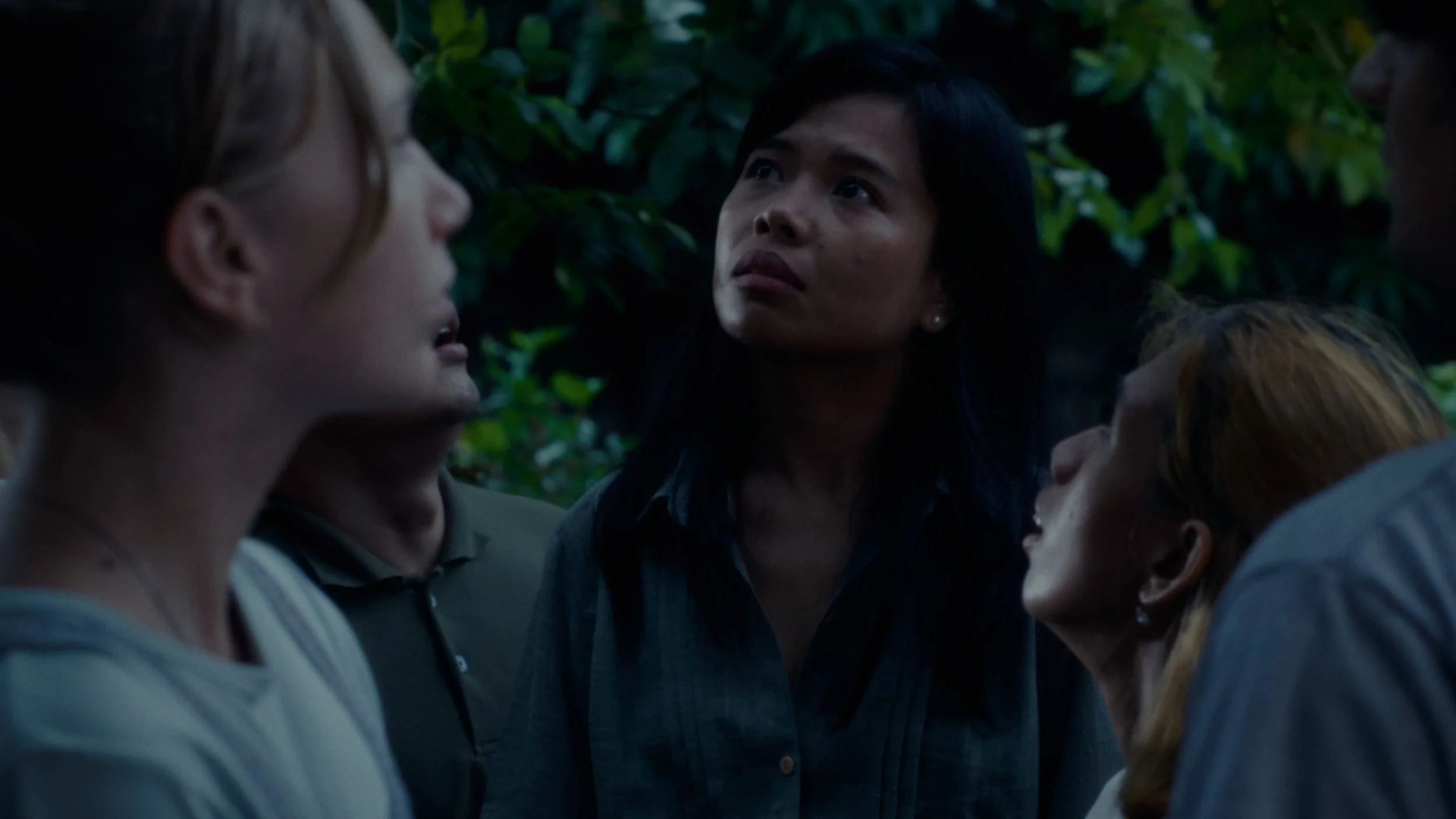
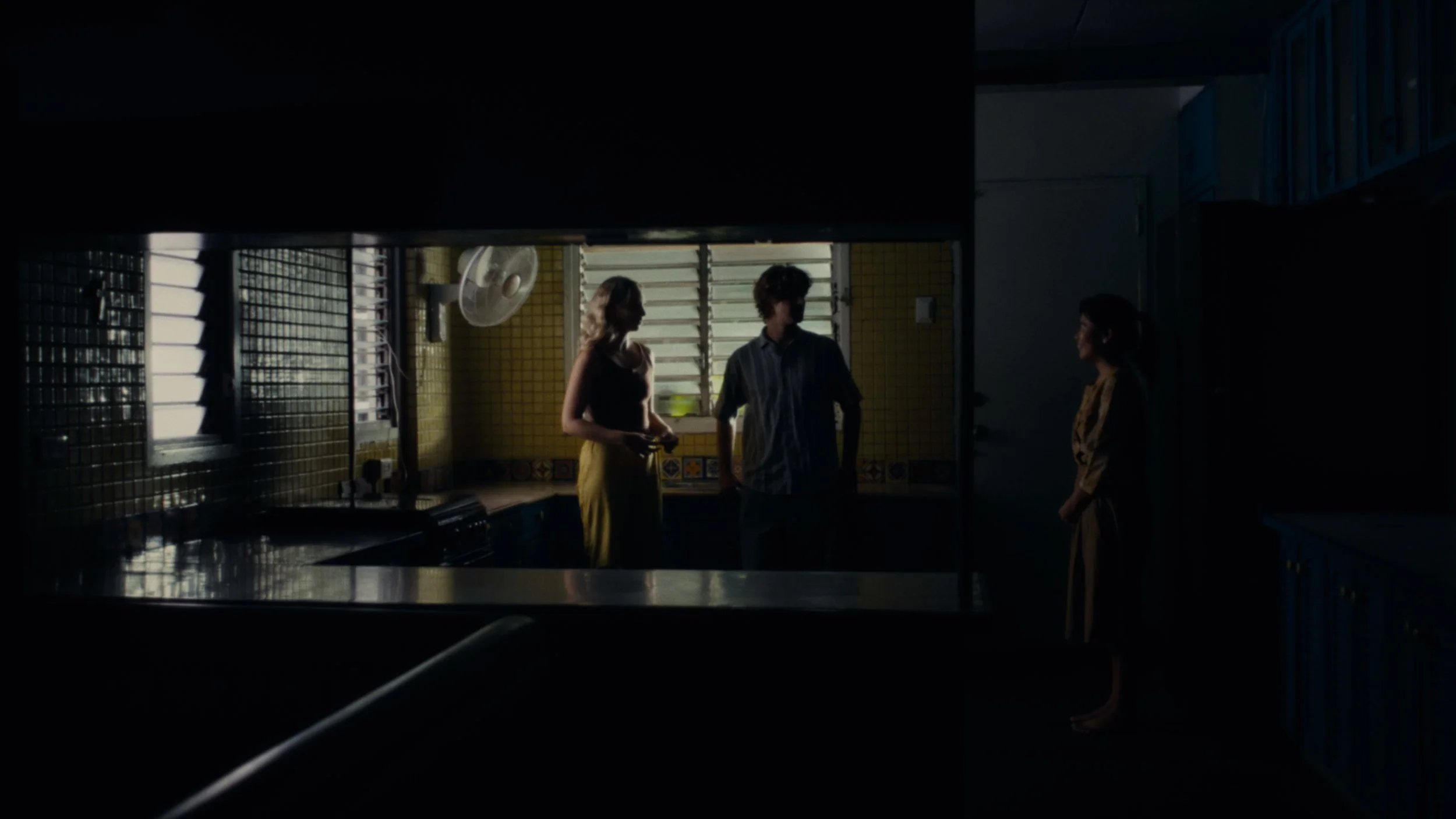
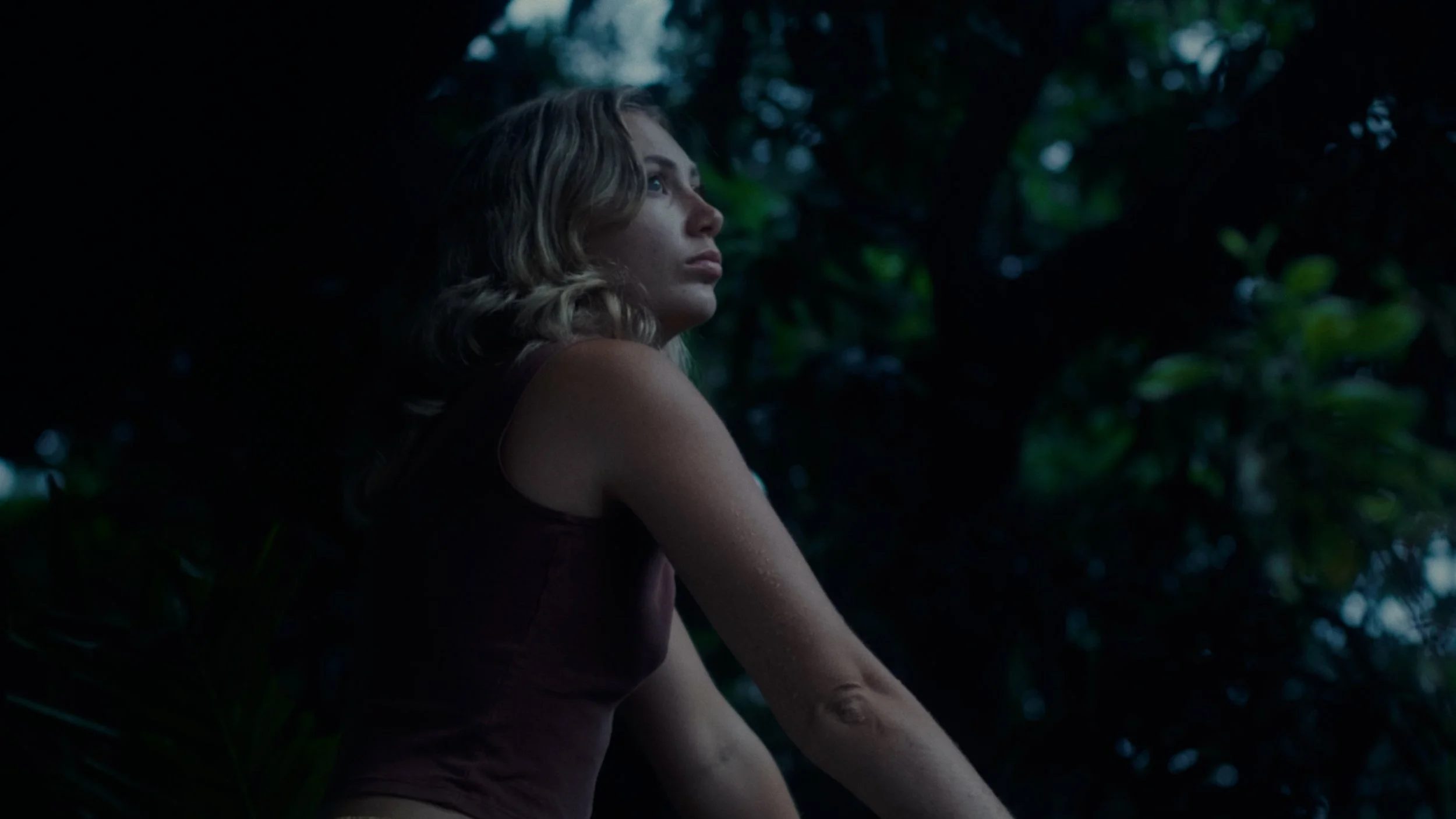
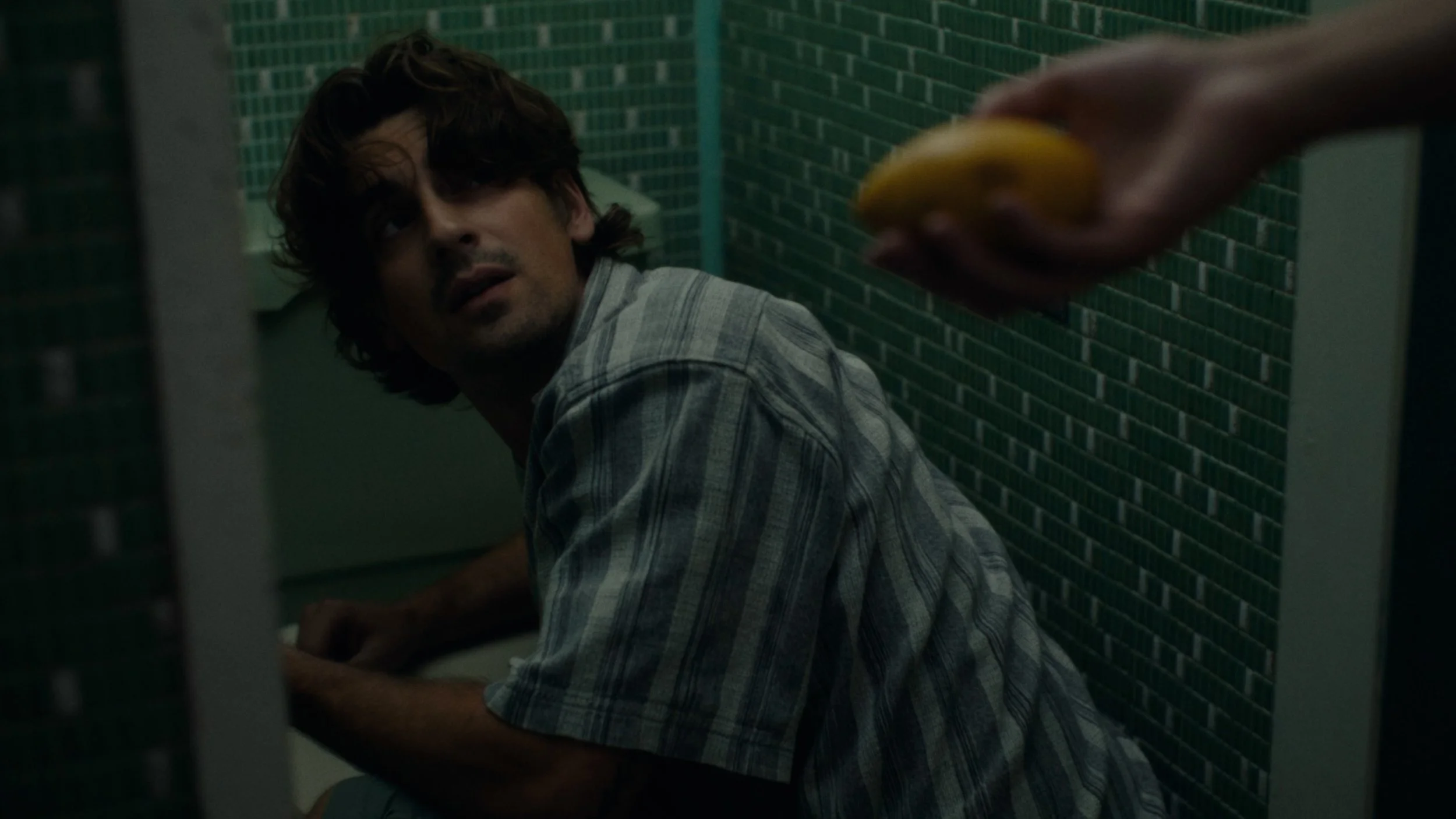
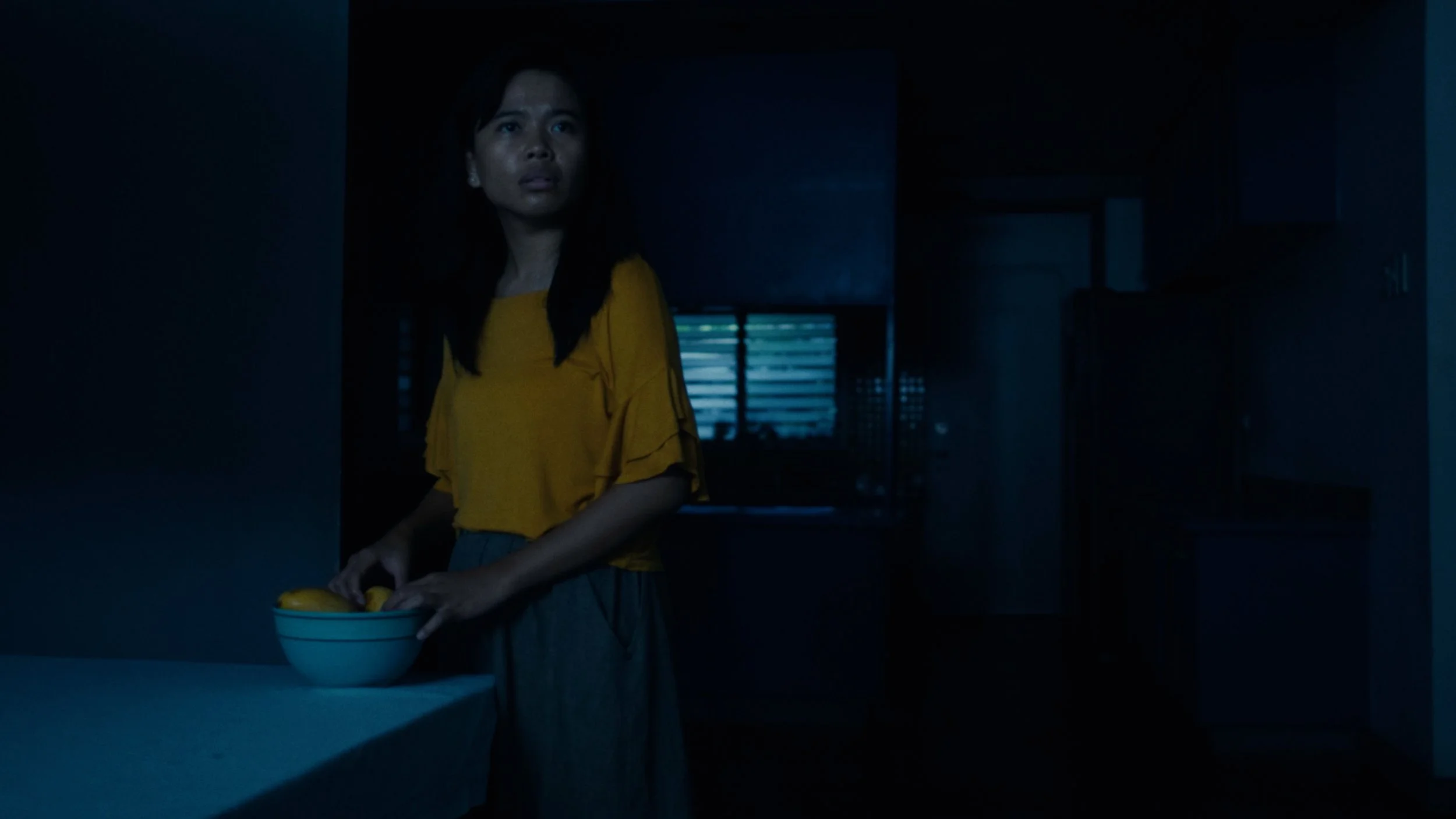
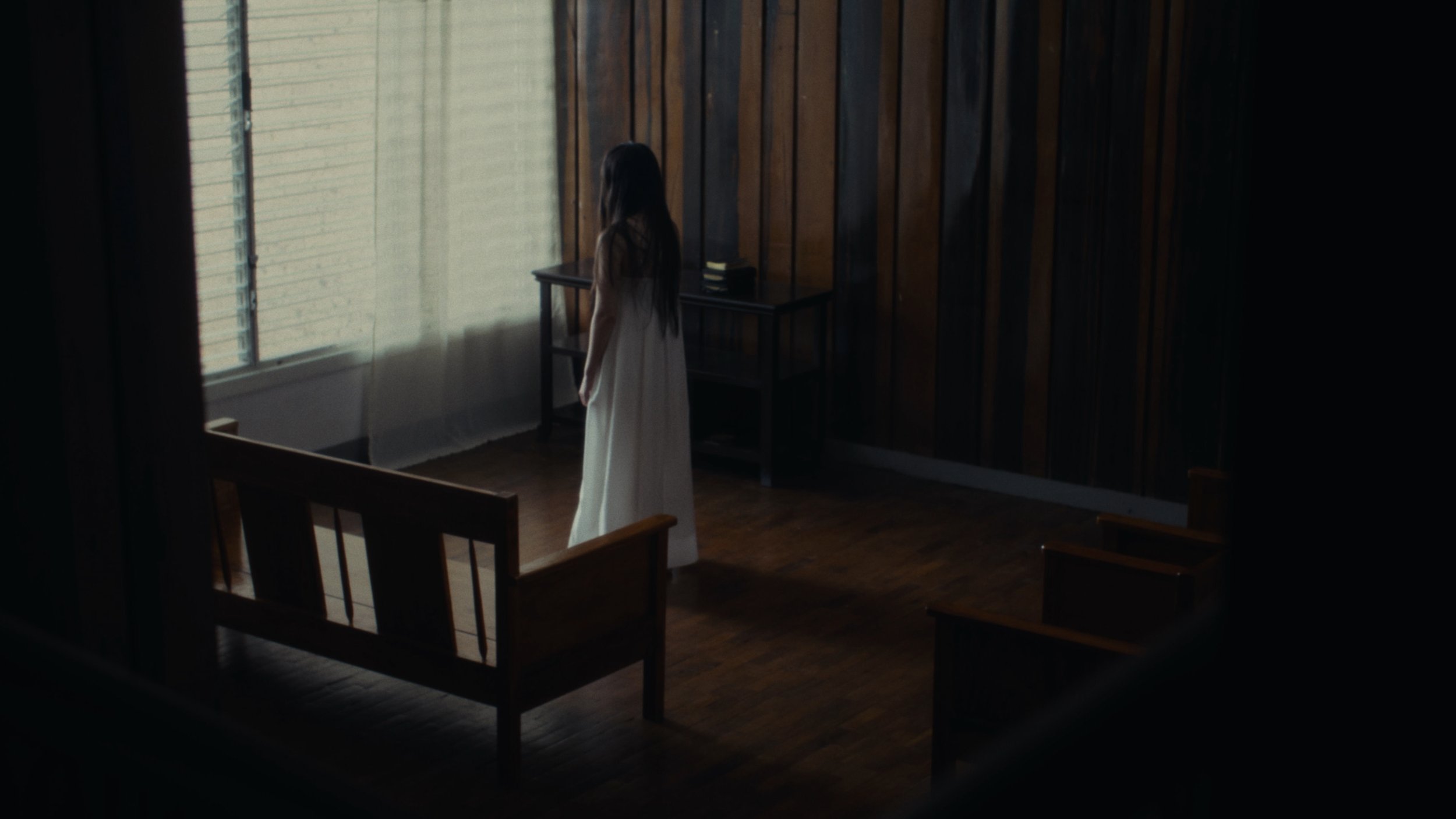
A cleaning lady in the Philippines is hired by her church to prepare a house for American missionaries where she discovers an unsettling presence, an unhealed wound that takes the figure of a woman she recognizes. As the Americans move in, strange inconveniences divert their attention from the warmth and hospitality offered to them. The water isn't working. The power’s out. Hiding in plain sight, the figure of the woman watches as they fill the house with foreign luggage and unaired anxieties about spreading an American Protestant message in a Filipino Catholic nation. Filmed in the director's childhood home where some of the film's events actually occurred, Multo re-frames ambitions of Western evangelicalism as a dangerously short-sighted force of cultural erasure, seemingly incapable of acknowledging its own culpability until it is forced to take the ricochet.
sales & distribution by lights on
festivals: Palm Springs International Short Fest 2026 Official Selection, Tirana International Film Festival, NgaFFF, FestCurtasBH
log on letterboxd
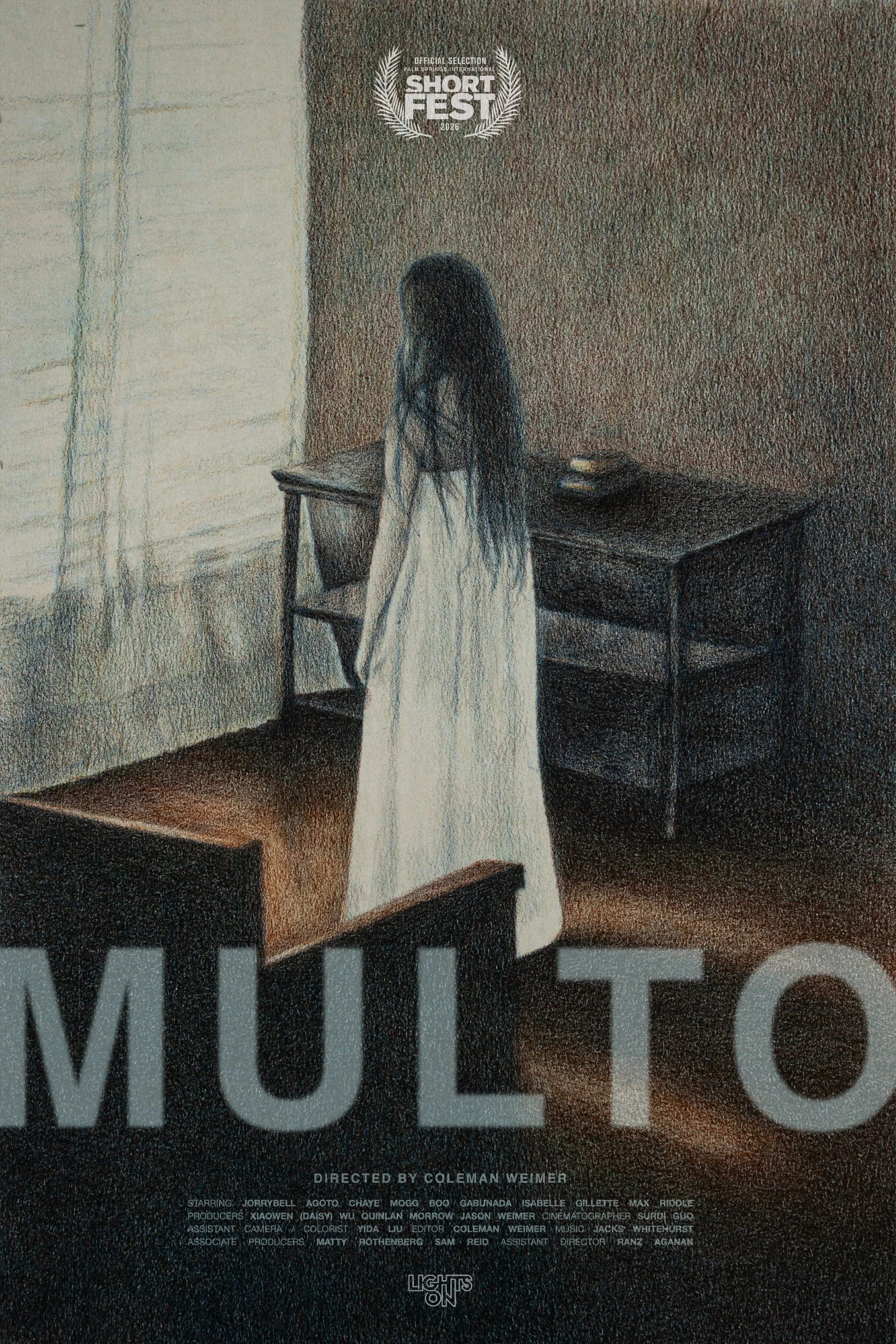
poster art by asia miles
Director's Statement
I am nearing the age my parents were when they moved our family from the corn fields of Iowa to a gated neighborhood in Antipolo, Philippines called “Beverly Hills.” The day we arrived at our new house in 2005–a 70s two-story which had been occupied by a long chain of Protestant missionaries–the water wasn’t working and a branch from a mango tree collapsed on our front gate. I was in first grade and soon became plagued by nightmares, and my sister started seeing a woman in a white dress around the house. The house helper who truly kept my family afloat heard footsteps in empty rooms and reported strange events to my parents. Each of us saw, heard, or felt something. While ghost stories are common in the Philippines (everyone on the set of Multo had their own to share), my parents felt ill-equipped for what they understood to be demonic resistance in the house. My sister and I attended a city-on-a-hill-school for missionary families while my father’s poverty alleviation efforts clashed with veteran missionaries who preferred blatant street evangelism. We returned to Iowa after one year in Antipolo, my parents' hopes for long-term missionary work in the Philippines bewildered.
In Multo I was less interested in recreating or validating the metaphysical occurrences of my family’s history, and more drawn to the metaphoric capacities of a ghost monitoring a place of weighted colonial history. Jesse and Ellie are not exact stand-ins for my parents. They represent the pervading agenda among Western Protestant missionaries who rally against the unique mix of animism and Roman Catholicism in the archipelago. This agenda is blind to the vast history of Spanish and American coercion which forced the islands to metabolize Western Christianity and governance in the first place. Conceived as a fictional, slow unspooling of these dynamics, and filmed on-location in the same house where my family lived, Multo positions the house as a revolving door of American intervention, as well as a site of deep, colonial wounds re-opened by the insidious naivety of contemporary of Western influence.
press
interview with Manny the Movie Guy for NBC Palm Springs